

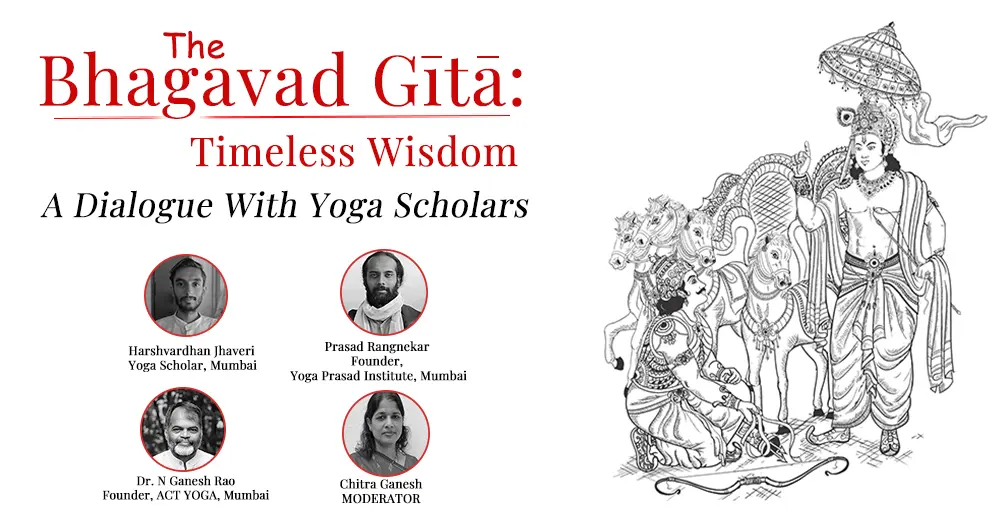
The Bhagavad Gita, an ancient Hindu text composed over two millennia ago, offers profound insights into the concept of consciousness. According to Krishna, the ultimate truth or Atman is pure consciousness, not confined to the physical realm. The mind, influenced by wants and fears, can either distort or enhance our understanding of consciousness. By mastering the mind and achieving a state of mental discipline, we can tap into a more permanent state of consciousness that is less affected by external circumstances. The wisdom of the Gita provides a timely reminder in today's age of distractions and anxieties.
The Bhagavad Gita: A Guide to Consciousness
Background
The Bhagavad Gita, composed around 2,500 years ago, is a foundational text of Hinduism. It is a multifaceted work that explores philosophy, ethics, and spirituality. Within its 18 chapters, the Gita provides profound insights into the nature of consciousness.
Krishna's Teachings on Consciousness
According to the Gita, the ultimate truth or Atman is pure consciousness, beyond the realm of physicality. Krishna, the central figure of the text, teaches that this consciousness is not limited to the individual but pervades all beings.
However, the mind, influenced by desires, fears, and afflictions, can distort our perception of consciousness. By mastering the mind and achieving a state of mental discipline, we can access a more permanent and undistorted state of consciousness.
Current Relevance
The wisdom of the Gita remains highly relevant in today's fast-paced, distraction-filled world. Amidst constant sensory stimulation, our mental faculties often become overwhelmed, obscuring our true nature.
The Gita offers a roadmap for navigating these distractions and cultivating a deeper connection with our consciousness. By embracing its teachings, we can gain a better understanding of our minds, harness its power, and access a state of inner peace and clarity.
FAQs
1. What is the ultimate nature of consciousness according to the Gita? Answer: Pure consciousness, beyond the physical realm.
2. How does the mind affect our perception of consciousness? Answer: The mind can distort or enhance our understanding through its attachments and aversions.
3. What is the key to accessing a more permanent state of consciousness? Answer: Mastering the mind and achieving a state of mental discipline.
4. How can the Gita help us navigate modern distractions? Answer: By providing guidance on controlling the mind and cultivating inner peace.
5. What are some practical ways to apply the Gita's teachings on consciousness? Answer: Meditation, mindfulness, self-reflection, and detachment from worldly attachments.

Read all the latest news, reviews, and features from The Hindu's e-Paper - from world affairs and the Indian perspective, to updates in entertainment, technology, science, and health, as well as insights on books and literature. Stay informed with the top stories of the day, and gain unique perspectives on various topics and issues.

The video of a unique farewell given to IAS officer Sanskriti Jain has been making rounds on social media, drawing admiration and praise for its emotional touch. The former Collector of Madhya Pradesh's Seoni district was seen being carried in a decorated palanquin by her colleagues and staff, accompanied by her two young daughters. Her tenure in Seoni was marked by her dedication, people-oriented work, and close interactions with the district administration and residents. The warm speeches, garlands, and sense of camaraderie at the event reflected the strong bond between Sanskriti Jain and her team in Seoni.

Shani Jayanti, the day dedicated to the worship of Lord Shani, falls on May 27, 2025, coinciding with Jyeshtha Amavasya. As per Udayatithi, the puja and rituals should be performed on the same day. However, certain tasks should be avoided on Shani Jayanti. Read on to know the significance of this day and the dos and don'ts to please Shani Dev.

Chief Minister Yogi Adityanath visited the Shanti Ashram in Lucknow to pay his last respects to Sant Shiromani Sai Chanduram, the head priest of the Ashram. He draped the mortal remains of Sant Shiromani with a saffron Angvastra and paid homage before his statue. Expressing deep sorrow over his demise, the Chief Minister wrote on social media about the irreparable loss of the spiritual leader. A large number of devotees gathered at the Ashram premises to offer their tributes and follow his teachings and ideals.

In an effort to improve vision care in rural India, the Bhaktivedanta Hospital & Research Institute held a Mega Eye & Dental Camp in Barsana, Uttar Pradesh. Equipped with state-of-the-art technology, the hospital aims to perform over 5000 PHACO procedures, free of cost, for those in need. The support of Tata Capital Ltd. enabled the camp to expand its reach to over 50,000 beneficiaries and receive the support of esteemed dignitaries including Smt. Hema Malini Ji and Smt. Nupur Desai.

Indian society has a narrow and sexist definition of parvarish, praising daughters who conform to traditional gender roles and blaming parents if they don't. However, it's time to focus on dismantling patriarchy within the household and raise a feminist generation. This means providing equal education to both daughters and sons, encouraging critical thinking and questioning societal norms. Parvarish should not mean curbing basic legal rights but rather empowering individuals to make their own decisions and think for themselves.

India's festival of lights, Deepawali, has been officially recognized by UNESCO as an intangible cultural heritage of humanity. The inscription acknowledges the festival's cultural significance and its ability to bring communities together. Prime Minister Narendra Modi welcomed the announcement, stating that Deepawali holds a special place in India's culture and represents values such as hope and righteousness. This recognition is expected to increase the festival's global popularity even further.

During Prime Minister Narendra Modi's recent visit to Tokyo, the city welcomed him with the soulful chanting of the Gayatri Mantra, one of the most sacred and powerful verses in Indian spiritual tradition. This ancient mantra, found in the Rig Veda, is believed to have a mental healing effect due to its repetitive and focused chanting. Research has also shown that it can improve well-being and provide a sense of peace and connection for both religious and non-religious individuals.

The M3M Foundation unveils 'Payal@40' campaign to commemorate Dr. Payal Kanodia's 40th birthday on December 9, 2025. This campaign, which aims for comprehensive impact across education, healthcare, skill development, and women's empowerment, reflects a leadership approach rooted in service and compassion. With the vision of Dr. Kanodia, the campaign marks a pivotal moment for the Foundation's ongoing mission of equitable development in India.

In a unique move to promote tourism, Madhya Pradesh Chief Minister Mohan Yadav has planned to hold cabinet meetings at famous heritage sites in the state. The latest meeting will take place at Khajuraho Convention Centre, known for its architectural wonders. The two-day visit will also include a jungle safari in Panna Tiger Reserve and review meetings of various departments, highlighting the state's vast natural and cultural beauty.