

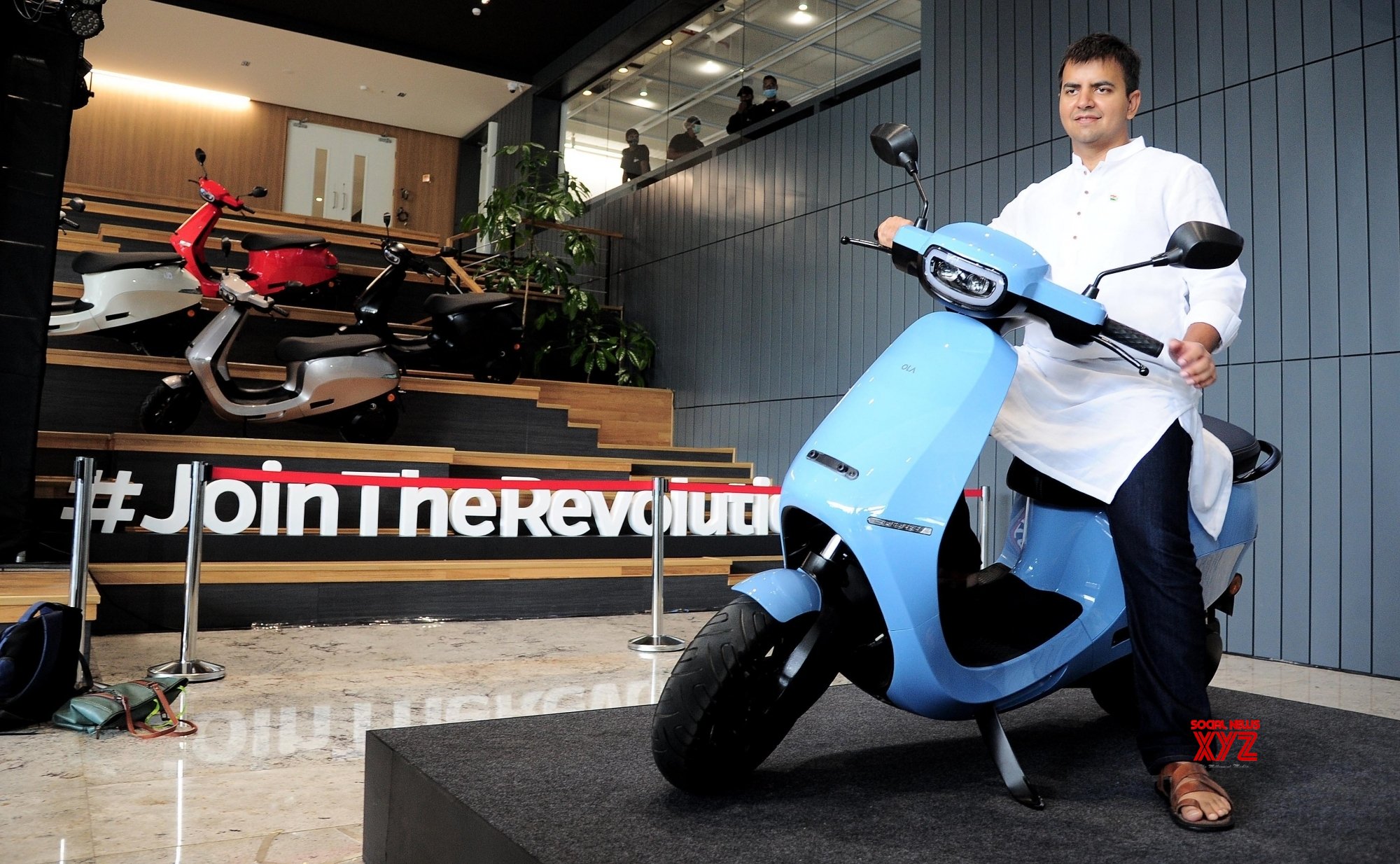
A heated debate erupted between Ola Electric founder Bhavish Aggarwal and comedian Kunal Kamra on Twitter regarding the service quality of Ola's electric scooters. Kamra criticized the company for neglecting the complaints of consumers, while Aggarwal fired back by challenging Kamra to come and help improve the service network. The exchange quickly turned personal, with Kamra calling Aggarwal arrogant and Aggarwal mocking Kamra's comedy career. Many Ola Electric customers also joined in, expressing their dissatisfaction and urging Aggarwal to address their concerns.
Ola Electric and Kunal Kamra: The Heated Twitter Feud
Introduction
A heated debate erupted on Twitter between Ola Electric founder Bhavish Aggarwal and comedian Kunal Kamra over the service quality of Ola's electric scooters. The exchange, which quickly turned personal, sparked widespread attention and highlighted the growing discontent among Ola Electric customers.
Background
Ola Electric, a leading electric vehicle manufacturer in India, has faced criticism in recent months over issues related to the quality and reliability of its scooters. Customers have reported problems with battery performance, charging issues, and poor customer service.
The Twitter Feud
The feud between Aggarwal and Kamra began when Kamra criticized Ola Electric on Twitter, accusing the company of neglecting customer complaints. Aggarwal responded by challenging Kamra to come and help improve the service network.
The exchange quickly escalated, with Kamra calling Aggarwal arrogant and Aggarwal mocking Kamra's comedy career. Many Ola Electric customers also joined in, expressing their dissatisfaction and urging Aggarwal to address their concerns.
Aftermath
The feud between Aggarwal and Kamra has put a spotlight on the challenges faced by Ola Electric. The company has since promised to improve its service network and address customer concerns. However, the feud has also raised questions about the role of celebrities in criticizing brands and the importance of constructive dialogue between companies and customers.
Top 5 FAQs and Answers
1. What caused the feud between Aggarwal and Kamra?
The feud was sparked by Kamra's criticism of Ola Electric's service quality on Twitter.
2. Why were customers dissatisfied with Ola Electric's scooters?
Customers reported problems with battery performance, charging issues, and poor customer service.
3. How did Aggarwal respond to Kamra's criticism?
Aggarwal challenged Kamra to come and help improve the service network and mocked Kamra's comedy career.
4. What was the outcome of the feud?
Ola Electric has promised to improve its service network and address customer concerns.
5. What does the feud reveal about the challenges faced by Ola Electric?
The feud highlights the challenges Ola Electric faces in addressing customer concerns, the role of celebrities in criticizing brands, and the importance of constructive dialogue between companies and customers.

According to a report by The Washington Post, the Modi government has allegedly facilitated a plan for state-owned Life Insurance Corporation of India (LIC) to invest around $3.9 billion in companies owned by industrialist Gautam Adani. The move comes at a time when Adani's businesses are facing mounting debt and scrutiny from international banks. Despite acknowledging the risks, government officials pushed for the investment as a means of showing confidence in Adani and promoting economic growth in India.

The India Maritime Week 2025 event, to be held in October, will bring together over one lakh delegates and 500 exhibitors from around the world to explore investment, innovation, and policy advancement in India's maritime sector. With 24 expected MoUs worth Rs 3,000 crore to be signed, the event aims to reinforce India's position as a key player in the global maritime ecosystem. The chairman of Mormugao Port Authority also highlighted upcoming developments in the sector, including hosting container vessels and expanding solar power production.

The Life Insurance Corporation of India (LIC) has strongly refuted a report by The Washington Post claiming that its investment decisions were influenced by external factors and linked to the Adani Group. LIC clarified that all its investment decisions are taken independently in line with board-approved policies, and there has been no plan or document prepared to infuse funds into Adani companies. The state-owned insurer also denied any involvement of government bodies in its investment decisions, stating that it follows strict due diligence and acts in the best interest of stakeholders. This statement comes after LIC came under scrutiny for its exposure to the Adani Group in the past.

In a critical move, top officials in India's finance ministry pushed for state-owned Life Insurance Corporation of India to invest billions of dollars in the Adani Group, a controversial conglomerate headed by billionaire Gautam Adani. The proposal was made despite some officials being aware of potential risks and criticisms surrounding the group, including a recent indictment by US prosecutors for bribery allegations. Many have criticized the move as it involves the usage of middle-class savings and guaranteed returns for the benefit of a private company.

Despite being aware of the risks, officials of India's finance ministry proposed and fast-tracked a plan in May 2025 for the state-owned insurance and investment company, Life Insurance Corporation (LIC), to invest approximately $3.9 billion in an Adani group firm. This came at a time when the Adani group was facing corruption charges and reluctance from global banks to extend loans. The decision faced criticism from opposition leader Rahul Gandhi, as it has implications for the long-term savings and guaranteed returns of middle-class investors, who rely on LIC for low-risk investments. The Washington Post's investigation is based on documents and interviews with officials from LIC, the Department of Financial Services, and bank officials familiar with Adani group finances.

Australian batsman Travis Head opens up about his love for challenging batting conditions in the upcoming Ashes series, citing it as an opportunity to score freely and align with his natural aggressive style. While other top-order players have struggled on difficult Australian surfaces, Head has excelled and believes it will continue to be a challenge for England's batters. Former captain Steven Smith also chimes in, saying it will be tough for England if Australia continues to produce lively pitches.

Union Minister Kishan Reddy praised India's youth for their role in propelling the country towards becoming a developed nation by 2047. Addressing newly appointed government employees at the 17th Rozgar Mela, he emphasized the transformative potential of young citizens in shaping the country's future. With over 51,000 individuals receiving job offers through the Rozgar Mela initiative, Reddy credited Prime Minister Narendra Modi's leadership for India's rapid progress in various sectors and encouraged the new recruits to become torchbearers of progress.

The Baltimore Museum of Art has received a generous donation of over $10 million from the Stoneridge Foundation to support their art education department. This donation, the largest in the history of the museum, will fund various educational initiatives, including free family activities and teaching apprenticeships for nearby university students. This gift highlights the importance of museums in promoting education and cultural awareness and sends a message that supporting museums does not have to come only through schools. This funding will also create new positions for museum educators and help the museum better accommodate the numerous education requests they receive.

Tata Motors, one of India's leading automotive companies, has announced the introduction of a new safety feature for their popular SUV, the Nexon. Along with the Advanced Driver Assistance System, the company has also launched a Red Dark Edition of the Nexon and updated its technology. The Nexon has already earned top safety ratings and great commercial success, and this latest update further solidifies its position in the market as a safe, high-performance, and stylish SUV.

Piyush Pandey, the iconic figure in the Indian advertising industry, has passed away at the age of 70. With his powerful storytelling and campaigns that spoke to India in its own language, he transformed the country's advertising landscape. He was also the first Indian ad professional to receive the Padma Shri, a testament to his immense contributions to the industry. Despite stepping down from his role as Executive Chairman of Ogilvy India, his legacy will continue to inspire and shape the world of branding.